
The “I’m Done!” Dilemma: How to Prevent Fast-Finisher Behaviour Spikes
We’ve all been there. You’ve just set up a brilliant learning activity. The room settles into a lovely, productive hum. You take a breath, sit down with a child who needs some extra support, and then you hear it.
“I’ve finished! What do I do now?”
If you have a fast-finisher in your classroom or home, you know that those words act like a starter pistol. You have a brief window of time before the behaviour spikes begin. The pencil tapping starts. They wander over to look out the window. They start bothering their neighbour.
It is incredibly easy to feel frustrated in these moments and label the behaviour as attention-seeking or defiant. But if we look at the actual child psychology behind the rush, everything changes.
Here is why fast-finishers misbehave, and how you can channel that energy before the chaos kicks in.
The Psychology of the Fast Finisher
When a bright, quick learner finishes a task ahead of everyone else, they don’t just stop thinking. Their brain is still running at 100 miles an hour, but suddenly they are stuck in a total cognitive vacuum.
They have nowhere to put their mental energy. For a four- or five-year-old, sitting quietly with an empty brain is physically uncomfortable.
This leads to two things:
- Sudden, intense boredom: A young child cannot sit quietly in a mental vacuum for long. They will actively look for something to stimulate their brain.
- A craving for connection: If they don’t know what to do next, they will look to you. If you are busy helping another child, they quickly realise that causing a minor disruption is the fastest way to get your attention (even if it’s negative attention!).
The “Busywork” Trap
When we are caught off guard by a fast finisher, our default reaction is usually to hand them one of two things:
- More of the same work (like another handwriting worksheet).
- A mindless colouring page to keep them quiet.
The problem? Kids see right through this. Handing a child more worksheets feels like a penalty for working quickly. It tells them, “Because you did a great job, your reward is more work.” This quickly saps their motivation, and next time, they’ll just dawdle.
Colouring pages don’t work long-term either because they don’t offer enough cognitive challenge. A fast brain will still be under-stimulated, meaning the fidgeting will start anyway.
3 Simple Shifts for a Calmer Routine
To stop the “I’m done” chaos before it starts, we need to change how we handle the transition. Here are three simple ways to keep fast finishers engaged and independent:
Establish the “What Next” Before You Start
Never let the next steps be a mystery. Before you send children off to do an activity, explicitly show them what their options are when they finish. You might say: “When you finish your alphabet page, you can choose one math puzzle or go to the reading corner.” When they know the plan, they don’t need to shout for your help.
Make Choices Visual
Young children thrive on visual cues. Set up a simple, visual “Choice Board” or a designated shelf in your learning space. Use clear pictures or icons to show the approved independent activities. When a child finishes early, they can simply look at the board, make a choice, and transition themselves without interrupting you.
Ditch the Paper, Embrace the Tactile
Fast finishers don’t want more worksheets. They want activities that feel like a game or a puzzle. Look for tasks that build on their fine motor skills, spatial awareness, or problem-solving. Think building challenges, matching games, or self-correcting puzzles.
My Secret Weapon: Independent Task Boxes
This exact dilemma is why I’m a massive advocate for Independent Task Boxes.
These are small, individual boxes or mesh pouches packed with tactile, bite-sized learning challenges—like matching uppercase and lowercase letters with pegs, simple counting puzzles, or repeating pattern cards.
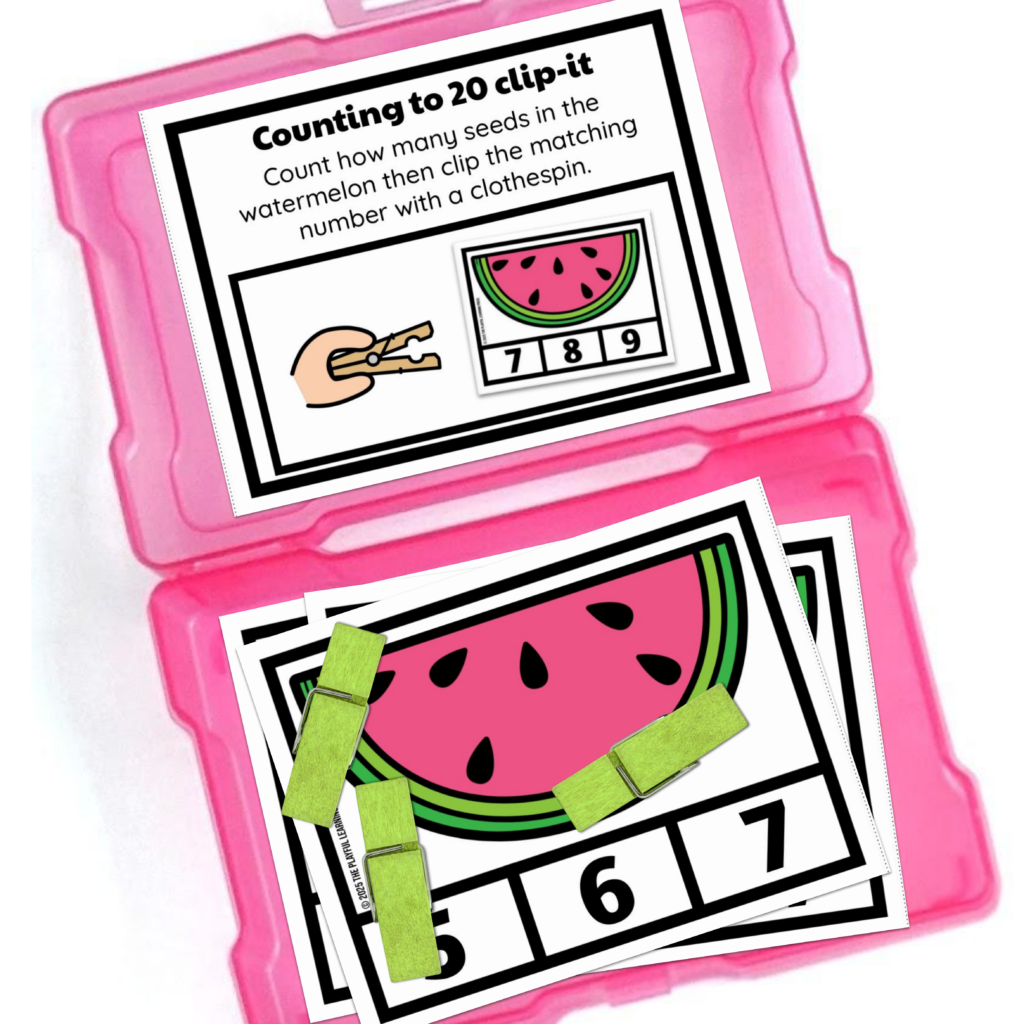
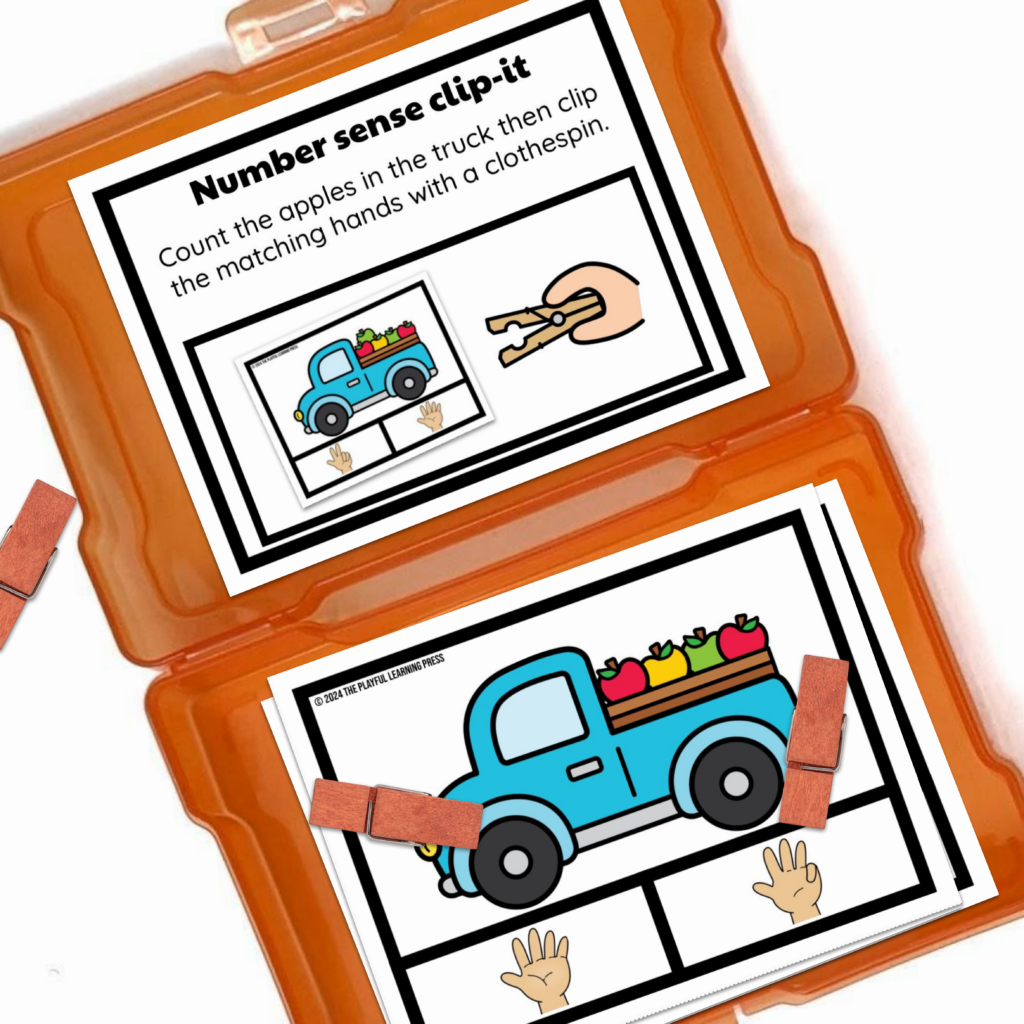
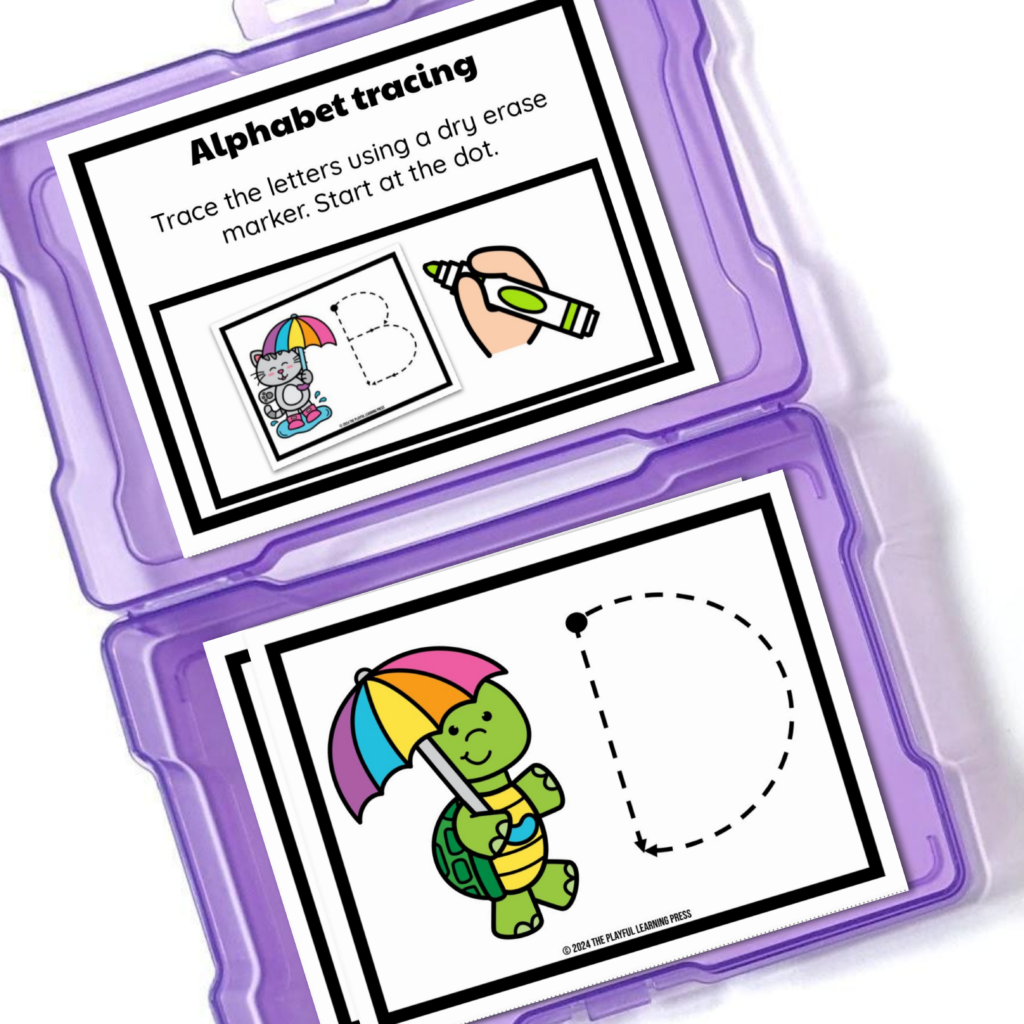
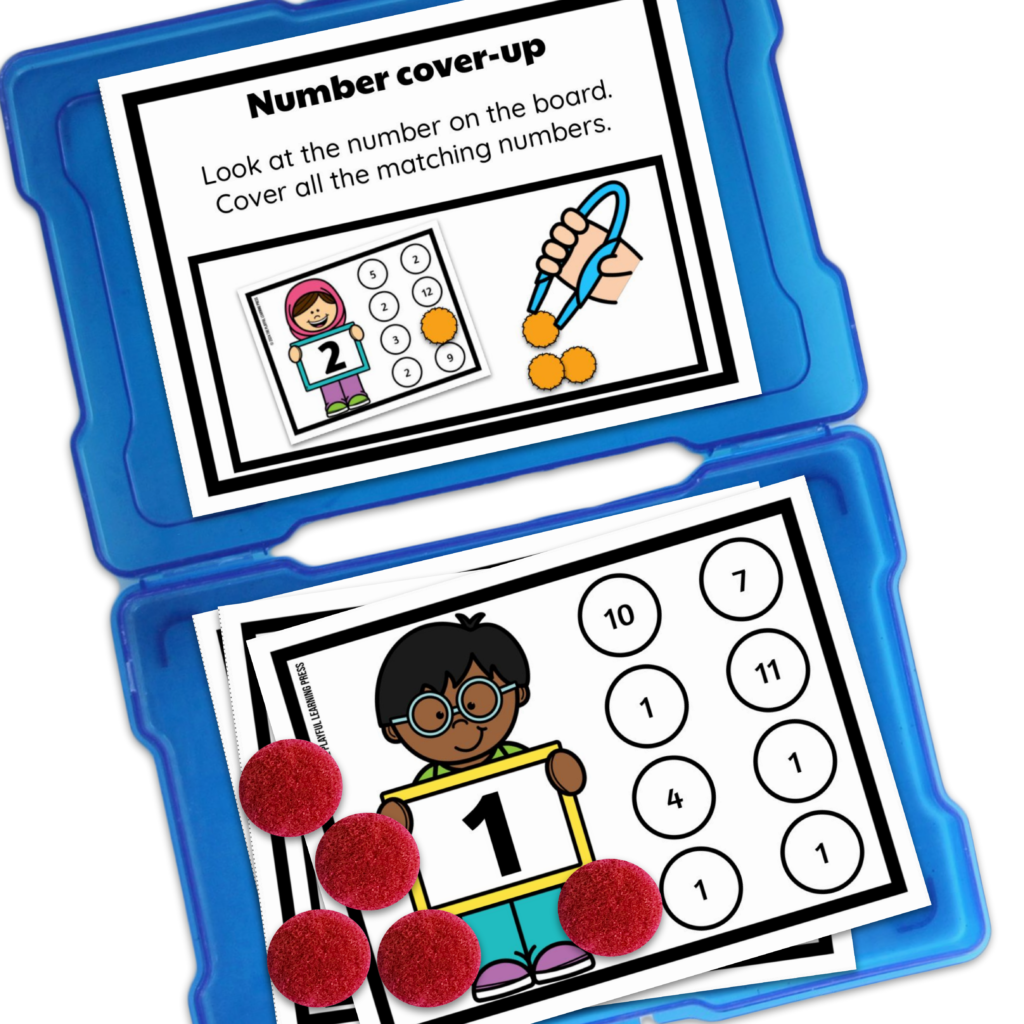
When your fast-finishers shout “I’m done!”, they don’t need to wait for you. They’ll automatically head to the shelf, grab a task box, and take it back to their seat. Magic ✨
Because the activities feel like games or puzzles, children love them. Because they’re designed with a familiar, predictable layout, and come with visual instructions, children can complete them entirely on their own.
The result? The child’s brain stays happily engaged, the room stays beautifully calm, and you get to keep your focus exactly where it needs to be.
Want to get your independent learning centres set up today? Pop over to the shop and check out our ready-to-print Independent Task Boxes Bundle to get your classroom management or homeschool routines and fast-finisher shelves sorted for good!
Happy playful learning!
Jess xo